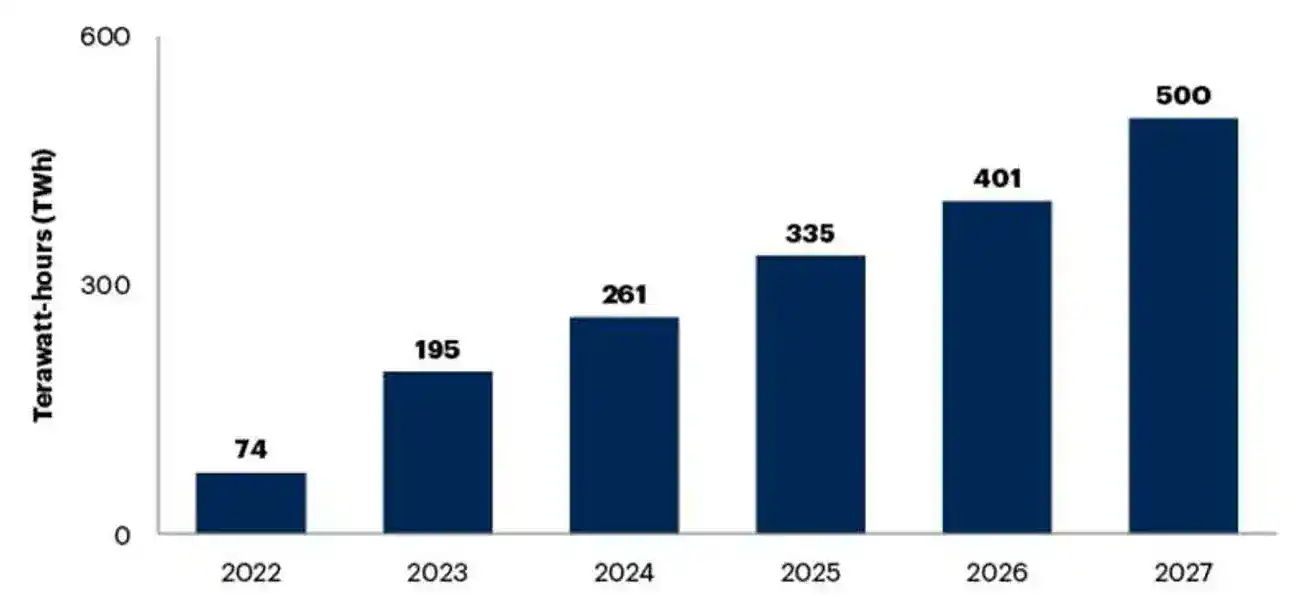
Data center development is increasing across the United States. The high electricity requirements of these facilities are transforming the energy sector. U.S. Department of Energy (DOE) reports indicate that in 2023, data centers were responsible for 4.4% of all U.S. energy consumption, more than the entire state of New York. The DOE’s projections estimate that the electricity demand of additional data centers could double or triple by 2028. This growth is comparable to adding the electrical load of several new states to the U.S. power grid in just a few years.

Expanding the electricity capacity of current utility distribution systems to meet the energy load increase necessary to power data centers and other large buildings would require significant capital investments. Electrical distribution costs are traditionally funded by ratepayers through higher utility bills, which could cause bad relations between data centers and communities. However, meeting the growing demand for electricity doesn’t have to mean building more power plants. One way to avoid utility distribution restrictions is through onsite energy generation, which can minimize the need for added electricity from local utilities.
As data centers focus on building more onsite energy, we are seeing them increasingly rely on renewables. Onsite solar and battery energy storage systems not only alleviate reliance on local grids but also help meet company sustainability targets, reduce costs, and increase resiliency. The more quickly data centers transition to renewable sources, the sooner they will realize the benefits of a smarter tomorrow.

Data center energy demand is quickly increasing
Data centers are inherently energy-intensive and will continue to be as they work to meet more demands. For example, the Internet of Things (IoT) has expanded the volume of data to process. The adoption of artificial intelligence (AI) is further increasing the processing load, thus . Such growth of time-critical applications and services is requiring data centers to analyze information at ever faster speeds.
This means that data center facilities typically require more energy than ever to operate— even with advancements in energy efficiency in recent years. Current trends suggest this pattern is likely to continue for the foreseeable future. Data centers are projected to drive more than 20% of the growth in electricity demand between now and 2030. The electricity demand growth in the 2020s comes in stark contrast to the decades of steadily declining energy demand. This is mostly attributed to improvements in efficiency (e.g. appliances, HVAC, and LED lighting) despite continual economic growth. Data centers need a cost-effective energy source they can deploy quickly to assure their power needs are met now and into the future.
Renewables can provide a power solution
On-site renewables and storage offer the best-case model for powering data centers with clean energy. Leading data center operators such as Equinix, Digital Realty, NTT Global Data Centers, and CyrusOne, along with cloud providers like Amazon Web Services (AWS), Microsoft Azure, and Google Cloud, are increasingly integrating renewable energy into their operations. The prioritization of renewable energy sources to power their data centers is driven by both environmental concerns and the desire for cost-effective, sustainable solutions.
As data centers compete for market dominance, we are seeing a high correlation to meeting corporate renewable goals. Many companies are setting ambitious targets to reduce their carbon footprint and operate on 100% renewable energy. This trend is fueled by advancements in renewable energy technologies, growing awareness of the need for sustainable practices, and the increasing availability of affordable renewable energy. By switching to renewable energy, data centers can significantly reduce their carbon footprint and mitigate the negative environmental impacts of their operations.
Building new renewables and storage onsite also offers other key business benefits such as faster deployment, resiliency, avoidance of transmission constraints, and reduced grid infrastructure costs. Many data centers, as with C&I properties, have available rooftop space, parking areas, or open space within their property boundaries that make onsite solar and storage a viable option. Based on available space and hosting capacity , smaller data centers may simply put panels on their roofs or in adjacent areas, while bigger facilities may implement larger-scale solar farms. Many times, an onsite system offers the prospect of a significant return on investment.

Expanding the electricity capacity of current utility distribution systems to meet the energy load increase necessary to power data centers and other large buildings would require significant capital investments. Electrical distribution costs are traditionally funded by ratepayers through higher utility bills, which could cause bad relations between data centers and communities. However, meeting the growing demand for electricity doesn’t have to mean building more power plants. One way to avoid utility distribution restrictions is through onsite energy generation, which can minimize the need for added electricity from local utilities.
As data centers focus on building more onsite energy, we are seeing them increasingly rely on renewables. Onsite solar and battery energy storage systems not only alleviate reliance on local grids but also help meet company sustainability targets, reduce costs, and increase resiliency. The more quickly data centers transition to renewable sources, the sooner they will realize the benefits of a smarter tomorrow.
With these advantages, most of new electricity generation projects getting approved are comprised of clean energy. Examples include:
- Azure’s sustainability strategy of using 100% renewable energy to power its data centers by 2025
- EdgeConneX’s commitment to achieving carbon neutrality and eliminating waste
- Google’s goal is to operate on carbon-free energy by 2030
As new data centers contribute thousands of megawatts in new energy demand in the U.S. and in other markets, corporate renewable purchases (onsite, virtual PPAs, or offsite RECs) will continue to follow suit. With growing demand and given distribution grid restraints, it’s important that data centers implement emission-free, renewable energy as a key piece to their onsite generation mix.
Alignment is critical for data center growth
Still, the transition to renewable energy for data centers is not without challenges. Infrastructure investments, regulatory frameworks, and technological advancements are critical components of this journey, leading to deeper partnerships across the ecosystem and energy landscape. Government policies and incentives play a crucial role in accelerating the adoption of renewable energy; subsidies, tax incentives, and renewable energy mandates will assist in easing the financial costs of this transition. Collaborative efforts between the public and private sectors are essential to create a conducive environment for renewable energy integration.
While there are different incentives and various market dynamics across the country, the general concept remains accurate for data centers deploying renewable energy. When we find innovative solutions that benefit all stakeholders, we are uniquely positioned to replicate them across all areas, driving significant industry change. With supportive policy, cooperation from key stakeholders, and innovation, we can ensure that the rise of data centers accelerates the clean energy transition, rather than derailing it.
Data centers are integral to the United States and abroad. As demand continues to grow, the need for sustainable solutions becomes increasingly important. Renewable energy sources offer viable paths to a greener future and continued data center expansion. By harnessing these resources, data centers can significantly reduce their carbon footprint, realize business advantages, and contribute added positive benefits to society.
Data centers are crucial in today’s digital world. Facility developers and operations teams must consider key factors (location, available infrastructure, environmental issues, existing electricity distribution, and onsite energy potential) when managing data center sites. To build clean onsite generation sources for data centers, it’s beneficial to consult with expert energy providers that have proven data center experience. Core Development Group has specialized experience in designing and building commercial solar systems for leading data centers and real estate investment trusts that own and operate data centers across the world. Reach out to learn more about how renewables could make a positive impact on your data center needs.
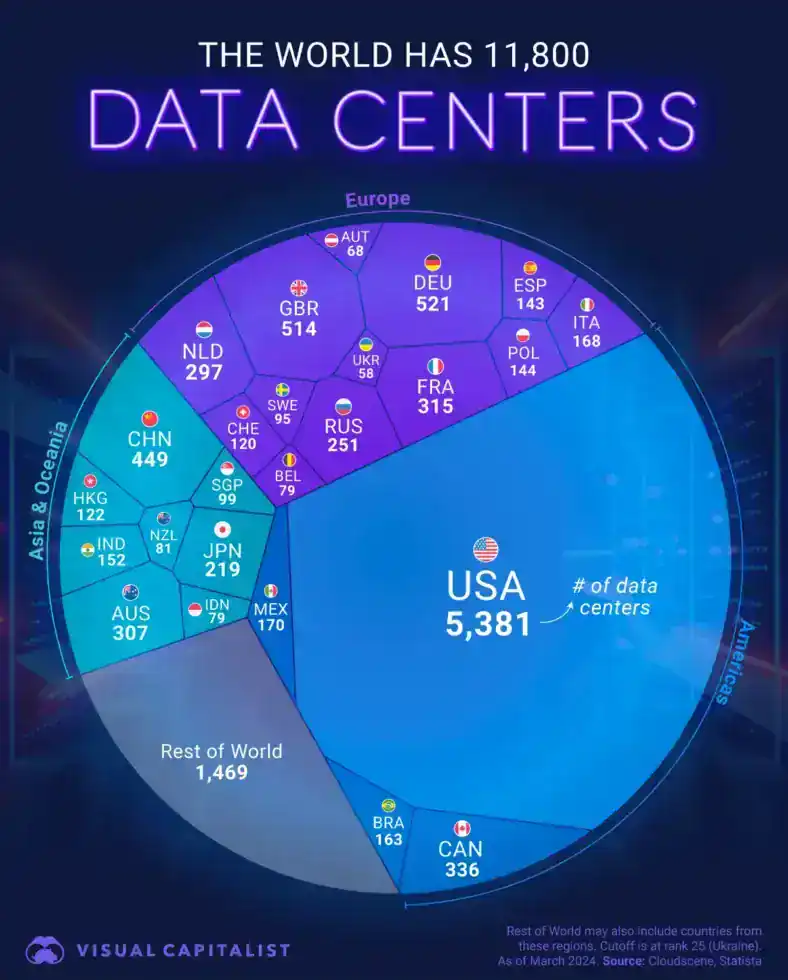
The explosive growth of new hyperscale data centers to implement Gen AI is creating an insatiable demand for power that may exceed the ability of utility providers to expand their capacity fast enough.